4 December 2025 by
sitemanager
Key Takeaways of “How Can Travertine Floor Restoration Bring Back Your Home’s Beauty?”

You remember the first time you saw your travertine floor after installation. The surface had a depth and tone that seemed to anchor the whole room. Over time, though, you notice the colour has dulled, the finish feels uneven, and the stone no longer reflects the light in the way you expected. It’s not that you’ve neglected it—you mop, you sweep, you try products from the supermarket—but the floor still looks tired. This article will help you understand why that happens and what can be done about it.
 Fila Pro Floor Cleaner |  LTP MPG Sealer H20 |  Vileda H2PrO Spin Mop System |
At first, you think the change is just dust or everyday wear. You try a stronger cleaner, but the stone still looks patchy. What you’re really seeing is the natural porosity of travertine, which pulls in spills and residues. The floor you remember from the renovation is still there, but hidden under layers of microscopic staining. Once you realise this, you stop blaming yourself for poor cleaning and start recognising the material’s unique needs. The positive outcome is that you now know the issue isn’t neglect—it’s the nature of the stone itself.
One morning, sunlight falls across the floor, and you notice how uneven the reflection has become. The tiles look blotchy, with some areas catching the light and others absorbing it. This isn’t just cosmetic; it indicates that the finish has worn away in some areas. You may have thought polishing was permanent, but travertine needs periodic honing to restore its surface. Seeing the difference in light helps you understand why professional restoration is not about vanity—it’s about returning the stone to its intended state. The positive outcome here is that you begin to see the floor as a living material rather than a static one.
During a family visit, someone comments on the dull patches near the kitchen entrance. You hadn’t paid much attention, but now you see the marks through their eyes. This moment shifts your perspective: what you thought was minor wear is actually visible to others. That realisation often prompts homeowners to seek professional advice. The positive outcome is that you gain a new motivation—not embarrassment, but the recognition that restoration will make your home look cared for in ways you had overlooked.

You mop, you spray, you scrub, and yet the travertine floor still looks tired. The problem isn’t effort—it’s the products and tools chosen in good faith that slowly wear the stone down. What feels like care can actually be the reason the surface loses its finish. This section explores how ordinary routines create issues you didn’t expect, and what shifts make the difference.
When supermarket bottles promise shine, you reach for them without hesitation. After a few weeks, though, the tiles look streaked and blotchy. Acidic ingredients etch into the stone, leaving marks that no amount of scrubbing will remove. The moment you switch to a neutral cleaner, the streaks stop appearing. That change shows that the stone responds better to gentleness than to force, and that the floor begins to look more even again.
It feels natural to use a rough pad on stubborn spots. The surface looks cleaner immediately, but under the light, you start to see fine scratches. Over time, those scratches dull the finish across the whole room. Replacing abrasive pads with soft cloths prevents new marks, and suddenly the floor holds its sheen longer. The positive outcome is that cleaning takes less effort, and the stone looks closer to how it did when first installed.
Steam seems harmless—just water, after all. Yet repeated use leaves a cloudy film across the stone. The heat drives moisture into pores, lifting fillers and weakening sealers. When you stop using steam and return to simple mopping, the haze no longer spreads. The floor feels steadier underfoot, and you notice the natural colour returning. That shift shows how avoiding shortcuts preserves the stone’s character far better than gadgets ever could.

At first, the travertine floor seems fine. A faint patch near the sink, a darker line by the doorway—nothing worth worrying about. Yet these marks don’t stay small. They spread, deepen, and begin to change the whole room’s feel. What starts as a minor blemish becomes a constant reminder that the stone isn’t holding up as you expected.
Every day movement leaves its mark. The tiles between the kitchen and garden door lose their sheen faster than the rest. You notice the difference most when sunlight hits the floor, revealing a worn path where countless feet have passed. Once you see that track, you realise it won’t disappear with ordinary cleaning. The positive outcome is that you now understand why restoration is about renewing the surface, not just scrubbing it.
A splash of wine or citrus juice seems harmless once wiped away. Weeks later, though, you spot a pale ring etched into the stone. It doesn’t fade, no matter what cleaner you try. That mark tells you the spill reacted with the calcium in the travertine, leaving a permanent scar. The positive outcome is that you learn spills need immediate attention, and you begin to see why sealing and honing are essential steps in keeping the floor intact.
One day, you notice the grout darkening, even cracking in places. At first, you think it’s just dirt, but a closer inspection reveals moisture seeping beneath. Left alone, this caused damage beneath the tiles. Acting early means repairs are manageable, rather than disruptive. The positive outcome is that you start to see grout not as a background detail but as a warning system, guiding you to call for help before the issue escalates.
You search online, ask in shops, and read forums, hoping to find the right way to care for travertine. The advice sounds convincing, but much of it is written for generic titles or quick fixes. Following these tips often leaves the stone looking worse, not better. This section explores how well-meaning guidance can mislead you, and what happens when you rely on it.
A shop assistant recommends a spray that “works on all floors.” You try it, and the surface looks shinier for a day. Soon after, streaks appear, and the finish dulls again. The product wasn’t designed for porous stone, so it tends to build up residue. The positive outcome is that you learn not all cleaners are equal, and you begin to look for advice tailored to travertine rather than generic promises.
On a home-improvement forum, someone insists vinegar is the answer. You test it on a small patch, only to find the tile etched and lighter than the rest. The advice was cheap and easy, but it ignored the stone’s chemistry. The positive outcome is that you realise free tips can cost more in damage than professional guidance ever would, and you stop experimenting with shortcuts.
A neighbour tells you sealing will make the floor glossy again. You apply a sealer, but the stone still looks flat. Sealing protects against spills; it doesn’t restore shine. Polishing is a different process entirely. The positive outcome is that you now separate protection from restoration, and you begin to understand why specialists talk about honing and polishing as distinct steps.

In one home, the travertine kitchen floor had once been the centrepiece of the renovation. The polished surface reflected light beautifully, but within months, blotchy marks appeared near the sink, and a dull track formed where everyone walked most often. The owners tried to fix it themselves, convinced that supermarket sprays and steam mops would restore the shine. Instead, the floor grew cloudier, and guests began to notice the neglected look.
The family believed stronger products would solve the issue. They used acidic cleaners, thinking they would cut through stains, but the stone etched and lost more of its finish. Steam mopping left a milky haze, and repeated scrubbing created fine scratches. Each effort seemed logical at the time, yet the floor looked more uneven with every attempt. The positive outcome is that they realised DIY methods were not enough and considered professional help.
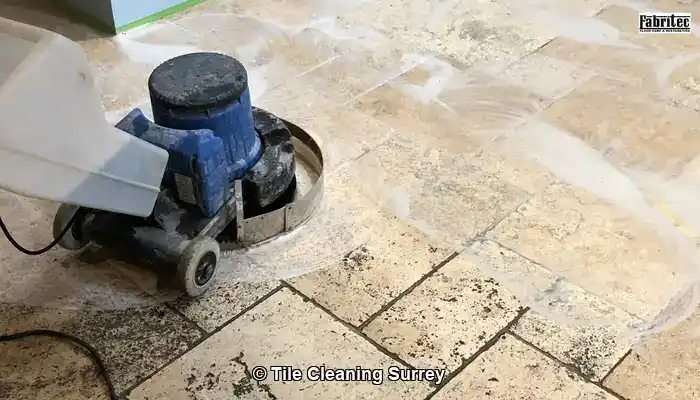
When our technicians arrived, they identified etching caused by spills and by residue from unsuitable cleaners. A deep clean using stone-safe solutions lifted dirt from the pores, restoring clarity. Honing removed dull patches and created a light sheen finish. Finally, a sealer was applied to prevent future spills, and grout lines were repaired to ensure a uniform appearance. The work was completed within two days, with minimal disruption to the household routine. The positive outcome is that the family saw the stone respond to proper care in ways their own efforts never achieved.
Once the restoration was complete, the floor looked dramatically different. The blotchy marks disappeared, the dull track was gone, and the surface reflected light evenly again. Guests admired the transformation, and everyday cleaning became simpler, with spills wiping away quickly instead of leaving stains. The positive outcome is that the homeowners no longer felt anxious about their floor’s condition; instead, they noticed how the restored stone lifted the whole atmosphere of the room.
After living with a worn travertine floor, you may not realise how much the surface has shifted until it is brought back to life. The difference is not subtle: the stone looks and feels different, and everyday routines take on a new ease. This section explores what homeowners notice once proper restoration has been carried out.
Walking across the room, you sense the tiles are smoother, with no gritty patches or uneven textures. The honed finish removes scratches and dull spots, leaving a uniform feel. That change is not just visual—it alters how you move through the space, making the floor feel cared for rather than worn. The positive outcome is that you notice the stone supporting the home’s atmosphere rather than undermining it.
After restoration, spills wipe away easily, and the stone no longer holds onto residue. You spend less time scrubbing, and ordinary mopping keeps the floor looking fresh. This shift shows you that proper sealing and polishing reduce effort, not increase it. The positive outcome is that maintenance feels manageable, and you stop worrying about whether each product will cause damage.
Once polished, the surface reflects light evenly again. Rooms that felt dim or patchy suddenly appear brighter, with the stone integrated into the design rather than a distraction. Guests notice the change immediately, and you see how the restored finish alters the mood of the space. The positive outcome is that the floor no longer draws attention for the wrong reasons—it enhances the home as you intended from the start.
You may worry that mopping or scrubbing will harm travertine. In reality, damage usually comes from harsh chemicals or abrasive pads. Using a pH-neutral cleaner and soft cloths keeps the stone safe. The positive outcome is that you continue your regular cleaning without fear of causing harm, and the floor maintains its natural look.
Spills such as wine or citrus can etch into travertine, leaving marks that resist household cleaners. These stains are not permanent, though. Professional honing and resealing can remove them and restore the surface. The positive outcome is that you learn that stains are not the end of the story, and that the stone can be revived.
Many homeowners imagine days of mess and noise. In practice, most kitchens or bathrooms are usable again within 24–72 hours. Specialists work tidily and explain each step. The positive outcome is that you discover restoration fits into daily life more easily than expected, without lengthy interruptions in your routine.
Sealers are designed to protect, not alter. Applied correctly, they enhance the stone‘s natural tone without darkening it. In Surrey, one homeowner worried their floor would look different after resealing, but the finish remained authentic. The positive outcome is that you see sealing as a safeguard rather than a cosmetic change.
Replacing stone is far more expensive than restoring it. In one Surrey household, professional work revived a kitchen floor for a fraction of the cost of new tiles. Restoration preserves the travertine’s character and extends its life. The positive outcome is that you recognise the value in keeping what you already have, rather than starting over.
After seeing how travertine responds to proper care, you begin to notice details differently. The dull patches that once seemed permanent are gone, and everyday cleaning feels less like a battle. Instead of worrying about which product might cause damage, you focus on simple routines that keep the stone looking steady. The floor no longer feels like a fragile surface—it feels like part of the home again.
What changes most is how you interpret minor signs. A faint mark near the sink no longer triggers concern; you know it can be managed. Grout lines that once looked neglected now appear uniform, showing that deeper issues have been addressed. The surface reflects light evenly, and the room feels balanced in ways you hadn’t realised were missing.
Guests notice the difference, too, but the fundamental shift is in your own observations. You stop scanning for flaws and start appreciating the stone as it was meant to be seen. The restored floor doesn’t just look better—it changes how you move through the space, how you clean, and how you view the home as a whole. That awareness is what makes the restoration worthwhile, giving you a floor that supports the atmosphere you want without constant worry.