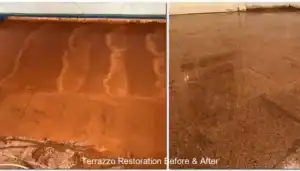

8 January 2026 by
sitemanager
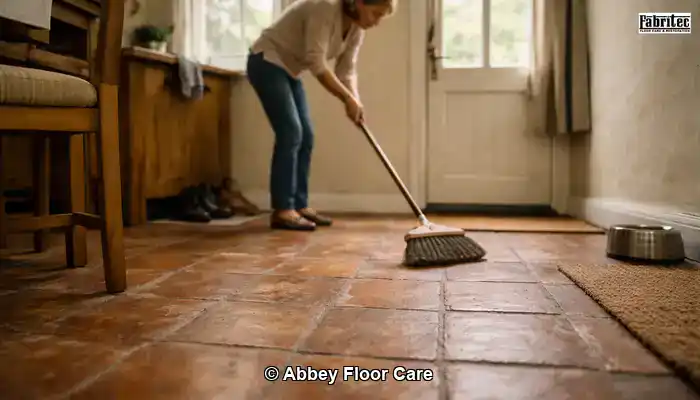
When you own terracotta tile flooring, it’s easy to feel frustrated when mopping never makes the floor look clean. Years of wax build-up and shop-bought cleaners often leave tiles sticky, patchy, or dull. The truth is, terracotta is soft and porous, so harsh chemicals or abrasive scrubbing can permanently damage the surface. Gentle routines are the key. By sweeping daily to remove grit and dust, and using a damp mop with a pH-neutral solution, you protect the clay’s natural warmth without pushing dirt deeper into the pores. For Surrey homeowners like you, this means less stress and more confidence that your floor will stay rich in colour without constant battles.
Fila Pro Floor Cleaner | Lithofin Easy Care | Vileda H2PrO Spin Mop System |
Helen’s biggest fear is damaging her terracotta floor maintenance with the wrong product. Supermarket cleaners often contain acids or alkalis that erode the clay, leaving pitted or rough textures. Vinegar, bleach, and “all-purpose” sprays may seem harmless but can strip away protective sealers and cause permanent colour changes. The safe choice is a pH-neutral cleaner designed for natural stone and terracotta. These solutions lift dirt without attacking the tile’s surface. For you, this reassurance means you can clean confidently, knowing you’re preserving the authentic beauty of your heritage floor rather than risking costly damage.
Daily sweeping may sound simple, but it’s one of the most effective ways to protect terracotta restoration work. Grit and dust act like sandpaper, scratching the surface and dulling the finish. By removing them regularly, you prevent wear before it starts. Weekly damp mopping with a pH-neutral solution keeps the tiles fresh without saturating them. Over-mopping can drive moisture into the clay, causing efflorescence or powdery residues. Keeping routines light and consistent means less anxiety about stains, fewer wasted hours scrubbing, and more pride in a floor that looks welcoming every day. For Helen, this translates into relief: the floor finally responds to care instead of resisting it.
Consider a farmhouse kitchen in Surrey where the owners struggled with sticky, waxy terracotta. They had tried supermarket polishes and endless mopping, but the floor only looked worse. After switching to a simple routine — sweeping daily, mopping weekly with a pH-neutral cleaner, and drying with a soft cloth — the transformation was immediate. The tiles regained their natural colour, the sticky residue disappeared, and cleaning became effortless. Guests noticed the warmth of the floor rather than its flaws, and the owners felt proud instead of embarrassed. This case study shows how terracotta floor care doesn’t have to be complicated. With the right routine, you can enjoy a floor that feels authentic, beautiful, and easy to live with.
Every step in this routine translates into a direct benefit for you. Sweeping daily means fewer scratches and less dullness. Using safe cleaners means no anxiety about damage. Damp mopping correctly means less wasted effort and more consistent results. For Surrey homeowners, the payoff is confidence: you know your floor is protected, your investment is safe, and your home reflects the pride you feel in it. Terracotta isn’t just a heritage material — it’s a living part of your home that rewards gentle care with lasting beauty.
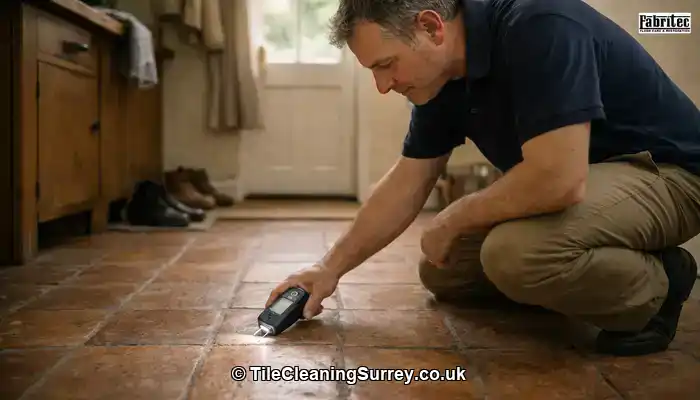
For many Surrey homeowners, sealing feels like a mystery. Helen worries that sealing will change the colour of her terracotta floor or make it look fake. In reality, sealing is about protection, not disguise. A breathable sealer penetrates the clay, blocking stains and moisture while allowing the tile to “breathe.” This means spills wipe away easily, grout stays cleaner, and the natural warmth of terracotta is preserved. Instead of constant scrubbing or sticky wax layers, sealing gives you peace of mind: your floor is safeguarded against everyday life without losing its authentic character.
One of Helen’s biggest fears is ending up with a shiny, plastic-looking floor. The good news is that terracotta tile sealing offers options. A natural matte finish enhances the earthy tones without adding gloss, perfect for heritage homes and rustic kitchens. A satin or semi-gloss finish enriches colour slightly, giving depth without looking artificial. Glossy finishes are available but should be chosen carefully, as they can highlight imperfections or feel out of place in traditional interiors. For Surrey homeowners, this flexibility means you can choose a finish that matches your style and reassures you that your floor will look exactly how you want it.
Wax build-up is one of Helen’s frustrations: layers applied over the years trap dirt, turn yellow, and leave the floor sticky. Stripping and resealing with a breathable product solves this problem. Once sealed properly, terracotta floor maintenance becomes easier. Spills no longer soak into the clay, mopping takes minutes instead of hours, and the floor stays cleaner for longer. For cautious homeowners, this translates into less stress, fewer wasted cleaning attempts, and more confidence when hosting guests. Sealing isn’t just about protection — it’s about restoring pride and reducing the daily burden of upkeep.
Consider a Victorian terrace hallway in Surrey where the terracotta tiles had turned dull and patchy from years of wax and polish. The owners were embarrassed every time guests arrived, worried the floor looked neglected. A specialist stripped away the old coatings, cleaned the clay thoroughly, and applied a breathable sealer with a natural finish. The transformation was immediate: the tiles regained their rich, earthy colour, the sticky residue disappeared, and the hallway felt welcoming again. For the owners, sealing wasn’t just a technical fix — it was emotional relief. They could finally enjoy their home without anxiety about appearances or damage.
Helen values authenticity above all. She wants her heritage property to feel warm and genuine, not altered by modern shortcuts. Sealing reassures her that terracotta’s natural charm will remain intact. Breathable sealers enhance colour subtly, protect against stains, and prevent future wax build-up. This means her floor stays beautiful without looking artificial. For Surrey homeowners, the benefit is clear: sealing preserves tradition while making everyday life easier. You don’t have to choose between authenticity and practicality — with the right care, you can have both.

One of the most common mistakes in terracotta floor maintenance is reaching for supermarket cleaners. Helen has already tried vinegar, bleach, and “all-purpose” sprays, hoping for quick results. Instead, these products eroded the clay’s soft surface, stripped away sealers, and left the tiles blotchy or rough. Acids dissolve minerals, while alkalis drive contaminants deeper into pores. The damage isn’t always immediate, but over time the floor looks permanently tired. For Surrey homeowners, the reassurance is clear: avoiding harsh chemicals protects your investment and keeps your floor’s natural warmth intact.
Another mistake is over-mopping. It feels logical to add more water when tiles look dirty, but terracotta tile cleaning doesn’t respond well to saturation. Excess moisture seeps into the clay, drawing salts to the surface and leaving powdery white efflorescence. Grout lines absorb water too, turning black or cracking over time. Helen’s frustration with sticky, dull tiles often came from pushing dirt deeper with a mop-and-bucket routine. The fix is simple: light, consistent damp mopping with a pH-neutral solution. This prevents moisture damage and restores confidence that your floor can stay clean without endless effort.
Many homeowners assume sealing is a one-time job. In reality, terracotta restoration requires resealing every few years to maintain protection. Skipping this step leaves tiles vulnerable to stains, wax build-up, and uneven finishes. Helen’s embarrassment when hosting guests often came from patchy areas where old wax had failed. By resealing regularly with breathable products, you prevent peeling, flaking, and colour changes. For cautious homeowners, this reassurance matters: resealing is not a burden, but a safeguard that keeps your floor looking rich and welcoming for decades.
Helen’s biggest frustration is wasted effort. Hours of scrubbing, polishing, and DIY fixes left her floor looking worse, not better. The truth is, terracotta floor care rewards the right methods, not more effort. Avoiding harsh chemicals, keeping mopping light, and resealing regularly means less stress and more pride in your home. For Surrey homeowners, the benefit is confidence: you know what works, you avoid what doesn’t, and you save time while protecting your investment. Mistakes don’t have to define your floor’s future — with the right guidance, terracotta becomes easier to live with and more rewarding to maintain.
In a Surrey farmhouse dining room, the owners had layered wax for years, believing it added protection. Instead, the floor turned yellow, sticky, and impossible to clean. Guests noticed the dull patches, and the owners felt embarrassed. A specialist stripped away the wax, resealed with a breathable product, and taught them simple routines. The transformation was immediate: the tiles regained their natural colour, cleaning became effortless, and the family felt proud again. This case study shows how avoiding common mistakes restores not just the floor, but also the homeowner’s confidence and peace of mind.
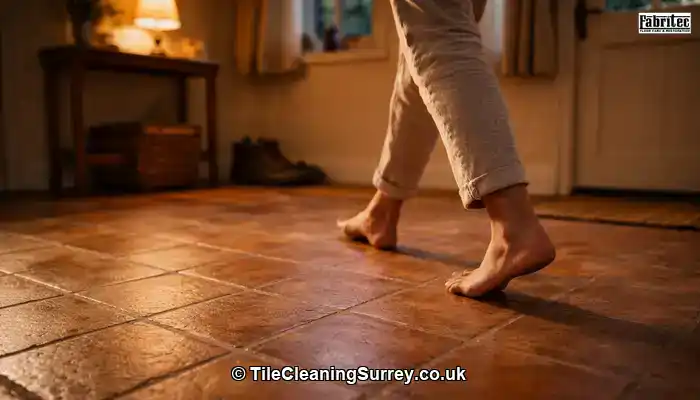
When terracotta floor care is done correctly, the biggest change isn’t just in appearance — it’s in how you feel. Helen’s frustration with endless scrubbing and sticky wax disappears once the right routines are in place. Sweeping daily and mopping lightly with a pH-neutral cleaner means the floor responds immediately, staying fresh without constant effort. For Surrey homeowners, this translates into confidence: you know your floor will look welcoming every day, without embarrassment when guests arrive. The payoff is emotional as much as practical — less cleaning, less stress, and more pride in your home.
Proper terracotta maintenance isn’t just about today’s shine; it’s about protecting your investment for decades. By avoiding harsh chemicals, resealing regularly, and keeping routines simple, you extend the life of your tiles. This means fewer costly restorations, less risk of permanent damage, and more value retained in your property. For cautious homeowners, this reassurance matters: you’re not just saving effort, you’re saving money and safeguarding the character of your heritage floor. The payoff is financial as well as emotional — reduced costs and longer-lasting beauty.
Helen’s embarrassment about dull, patchy tiles is replaced by pride once her terracotta restoration is complete. Guests notice the rich, earthy tones rather than sticky residues. Family gatherings feel more relaxed, and the home’s character shines through. For Surrey homeowners, this pride is priceless: your floor becomes a centerpiece again, reflecting the warmth and authenticity you value. The payoff is social as well as personal — confidence when entertaining, satisfaction in daily life, and joy in seeing your home at its best.
In a riverside flat in South West London, the owners struggled with terracotta tiles that looked permanently dull. DIY cleaning had failed, leaving sticky residues and uneven colour. A specialist stripped away the old wax, cleaned the clay thoroughly, and applied a breathable sealer. The transformation was dramatic: the tiles regained their natural warmth, cleaning became effortless, and the owners felt proud again. For them, the payoff was more than practical — it was emotional relief. They no longer dreaded guests noticing flaws; instead, they enjoyed showing off their restored floor. This case study proves that proper terracotta floor maintenance delivers lasting rewards: beauty, ease, and pride in your home.
For Helen, the payoff of proper maintenance is peace of mind. She no longer worries about damaging her delicate tiles, wasting effort on failed DIY, or hiring the wrong contractor. Instead, she enjoys a floor that looks beautiful, feels authentic, and stays easy to clean. For Surrey homeowners, this reassurance is the ultimate benefit: proper care doesn’t just restore terracotta, it restores confidence, pride, and joy in your home. The payoff is clear — less stress, more satisfaction, and a floor that truly reflects the character of your property.
It’s natural to worry that sealing will alter the warm tones of terracotta tile flooring. Breathable sealers are designed to enhance colour subtly, not disguise it. They enrich the clay’s natural reds and oranges without creating a glossy film. For Surrey homeowners, this means you can enjoy protection without losing authenticity. The reassurance is simple: sealing preserves charm while making cleaning easier.
Helen’s fear is that sealing will peel quickly or fail within months. In reality, terracotta floor maintenance requires resealing every three to five years, depending on traffic. Regular resealing prevents stains, keeps grout cleaner, and avoids patchy finishes. For cautious homeowners, this translates into confidence: resealing is not constant upkeep, but a safeguard that ensures your floor stays beautiful for decades.
Supermarket sprays often contain acids or alkalis that damage terracotta restoration. The safest choice is a pH-neutral cleaner designed for natural stone. These solutions lift dirt without eroding the clay or stripping sealers. For Surrey homeowners, this reassurance matters: you can clean confidently, knowing your floor is protected and your investment is safe.
Yes — when sealed correctly, terracotta floor care is practical for kitchens and bathrooms. Riven or textured tiles provide grip, while breathable sealers protect against moisture. For cautious homeowners, this means you can enjoy terracotta’s warmth in high-traffic, high-moisture areas without anxiety. The benefit is confidence: your floor adapts to your lifestyle while retaining its authentic beauty.
Dullness often comes from wax build-up or residue left by generic cleaners. Stripping old coatings and resealing with breathable products restores natural colour. Light, consistent cleaning routines keep the finish fresh. For Surrey homeowners, this translates into relief: your floor responds to care instead of resisting it, giving you pride in a home that feels welcoming again.
Helen’s frustration came from failed DIY attempts: vinegar, bleach, steam cleaning, and endless mopping. These mistakes drive dirt deeper, erode the clay, and leave sticky residues. The fix is simple: avoid harsh chemicals, keep mopping light, and reseal regularly. For cautious homeowners, the reassurance is clear: you don’t need to work harder, just smarter, to protect your terracotta.
Many homeowners fear contractors will cause mess or disruption. In reality, terracotta tile cleaning is usually completed in a day, with minimal upheaval. Specialists use safe products and efficient methods, leaving your home clean and restored. For Surrey homeowners, this means you gain beauty and protection without stress. The benefit is reassurance: expert care enhances your floor without disrupting your routine.
Absolutely. Heritage property restoration with terracotta is seen as a premium feature. Authentic, well-maintained floors enhance character and appeal to buyers. For cautious homeowners, this reassurance matters: your investment isn’t just about aesthetics, it’s about long-term value. The benefit is confidence: terracotta adds both beauty and financial strength to your property.
Slate and limestone are elegant but often harder to maintain. Slate is tougher but cooler in tone, while limestone is softer and more prone to staining. Terracotta flooring offers a warmer, more traditional look with manageable care routines. For Surrey homeowners, this means fewer worries about damage and more pride in authentic character. The benefit is clarity: terracotta balances beauty with practicality.
Waxed terracotta creates a glossy patina but traps dirt and requires frequent reapplication. Sealed terracotta uses breathable products that protect against stains while keeping the natural look. Helen’s frustration with sticky, yellow wax layers is common — stripping and resealing solves this problem. For cautious homeowners, the reassurance is clear: sealing offers long-lasting protection without the headaches of wax.